Princes And Artists: Patronage And Ideology At Four Habsburg Courts 1517-1633
Condition remarks:
Book: Good
Jacket: Worn/faded, no tears
Pages: Good , price clipped
Markings: Previous owner
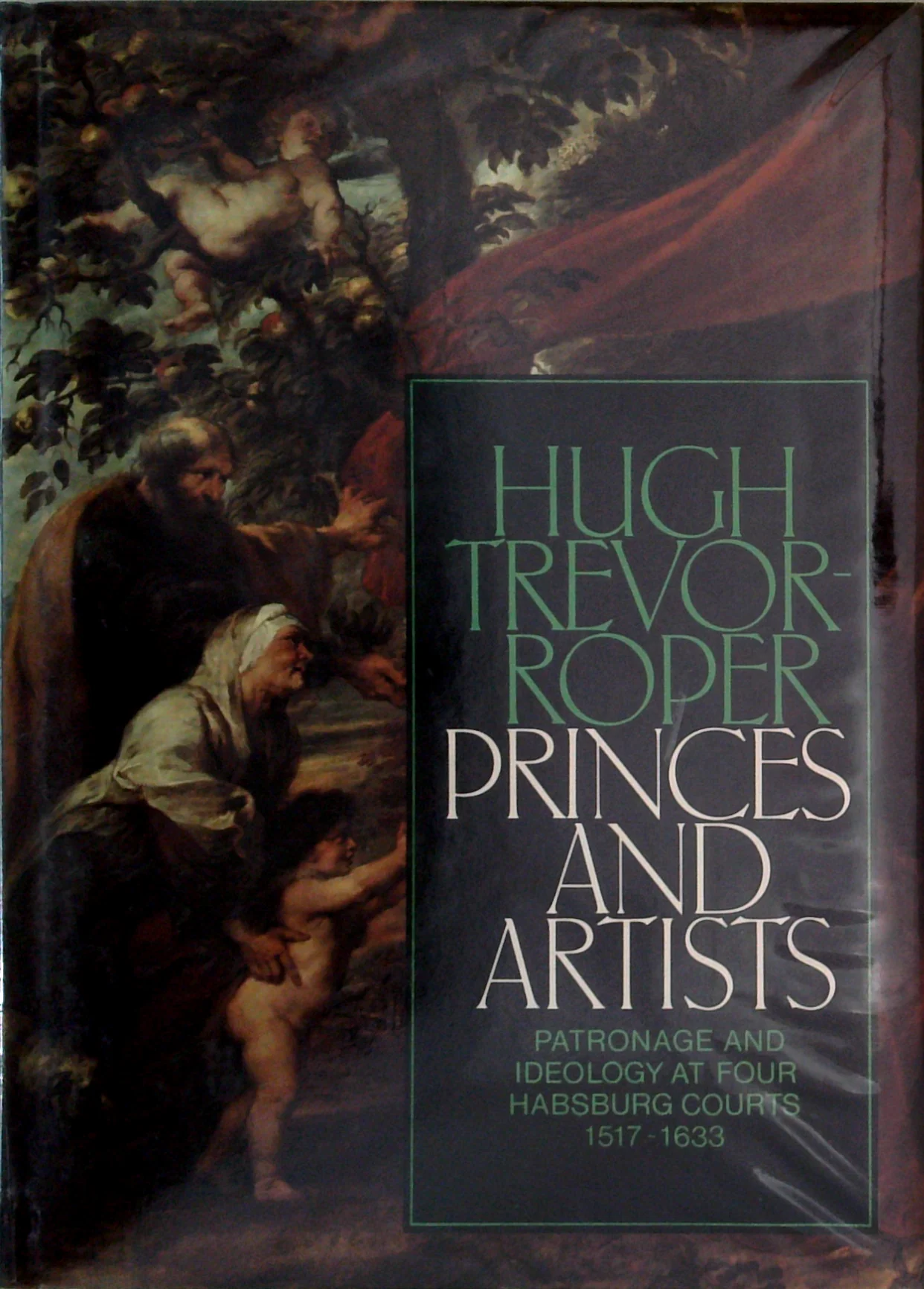
This compelling work of art history, Princes And Artists: Patronage And Ideology At Four Habsburg Courts 1517-1633, chronicles the intricate relationship between power and artistic creation during a pivotal era. It uncovers how Habsburg rulers strategically employed art and artists to solidify their political authority and propagate their dynastic ideology across four distinct courts. The narrative details the cultural landscape of the 16th and early 17th centuries, illustrating the profound impact of royal patronage on artistic movements and individual careers. Hugh Trevor-Roper presents a meticulous analysis, arguing for the essential role of visual culture in shaping the public image and political ambitions of one of Europe's most influential dynasties. This scholarly volume offers invaluable insights into the intersection of art, politics, and society.
Product Information
Product Information
Shipping & Returns
Shipping & Returns
Description
Condition remarks:
Book: Good
Jacket: Worn/faded, no tears
Pages: Good , price clipped
Markings: Previous owner
This compelling work of art history, Princes And Artists: Patronage And Ideology At Four Habsburg Courts 1517-1633, chronicles the intricate relationship between power and artistic creation during a pivotal era. It uncovers how Habsburg rulers strategically employed art and artists to solidify their political authority and propagate their dynastic ideology across four distinct courts. The narrative details the cultural landscape of the 16th and early 17th centuries, illustrating the profound impact of royal patronage on artistic movements and individual careers. Hugh Trevor-Roper presents a meticulous analysis, arguing for the essential role of visual culture in shaping the public image and political ambitions of one of Europe's most influential dynasties. This scholarly volume offers invaluable insights into the intersection of art, politics, and society.